Our Story

The real service is attention.

The craft is tailoring.

Everything else follows from those two things: the canvas, the construction, the fabric selection.

When Desmond opened LANWIN, he made a decision that still shapes how we work.

Every suit stays in our workshop, cut and finished by hands you can name.

Forty years later, that decision feels less like tradition and more like the point.

LANWIN heritage workshop with cutting table, shears, and tailoring tools
  1. Chapter 1

    How It Began

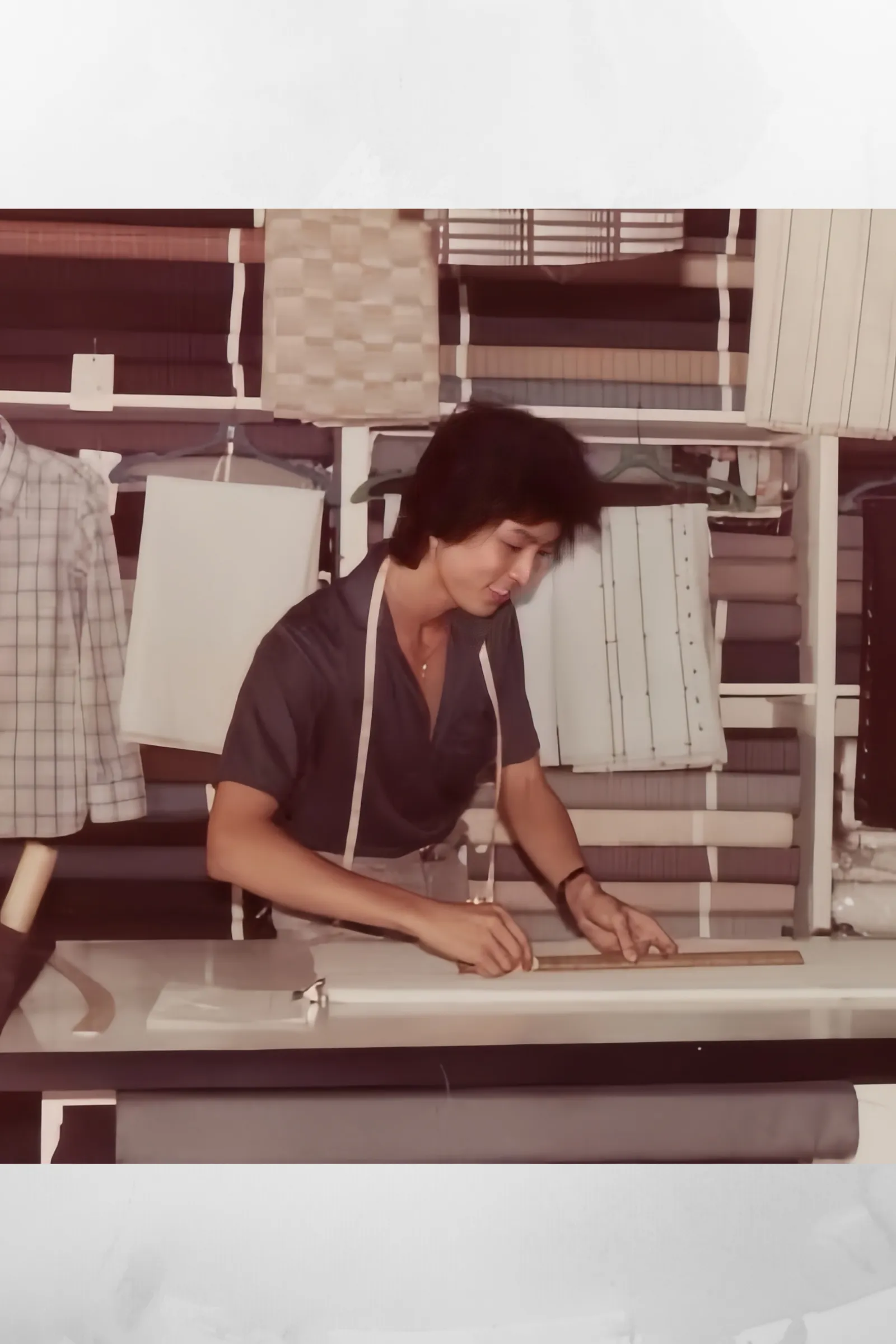
    Desmond grew up in Seremban. His uncle, Mr. Yap of Apollo Tailor, was already part of an established tailoring tradition from the 1960s. That’s where Desmond learned the craft: by watching, by doing, by being around the work in his uncle’s workshop.

    This was during tailoring’s golden age. Ready-to-wear clothing barely existed. Machinery wasn’t advanced enough, and retail distribution wasn’t there yet. Almost everything people wore was custom-made. A tailor wasn’t a luxury service. He was necessary.

    That meant the skill was respected. It meant there was always work. Desmond learned during a time when tailoring was fundamental to how people dressed: not a luxury, but essential.

    For five years after learning the craft, he worked in other tailoring houses. He cut, he finished, he learned the business side. But somewhere in those years, something became clear to him.

    The industry was changing. Other tailors were outsourcing to factories to move faster, keep costs down, take on more orders. It made business sense for them.

    For Desmond, it made no sense at all.

    He’d learned his craft when it was valuable because it was rare and done well. Now he was watching it become a commodity: the garment shipped away, altered by people he didn’t train, returned with changes he never approved.

    By 1983, he reached a point where he couldn’t do it anymore.

    So he opened LANWIN at Wisma Punca Emas in Seremban. The shop and workshop were together, and he made a decision that still shapes how we work: every suit stays here. Cut, canvas, stitching, pressing: all of it, by hands you know.

    He wasn’t building an empire. He was trying to keep doing something that was becoming less common: making the entire garment himself, responsible for the entire result, and carrying forward the craft his uncle had taught him.
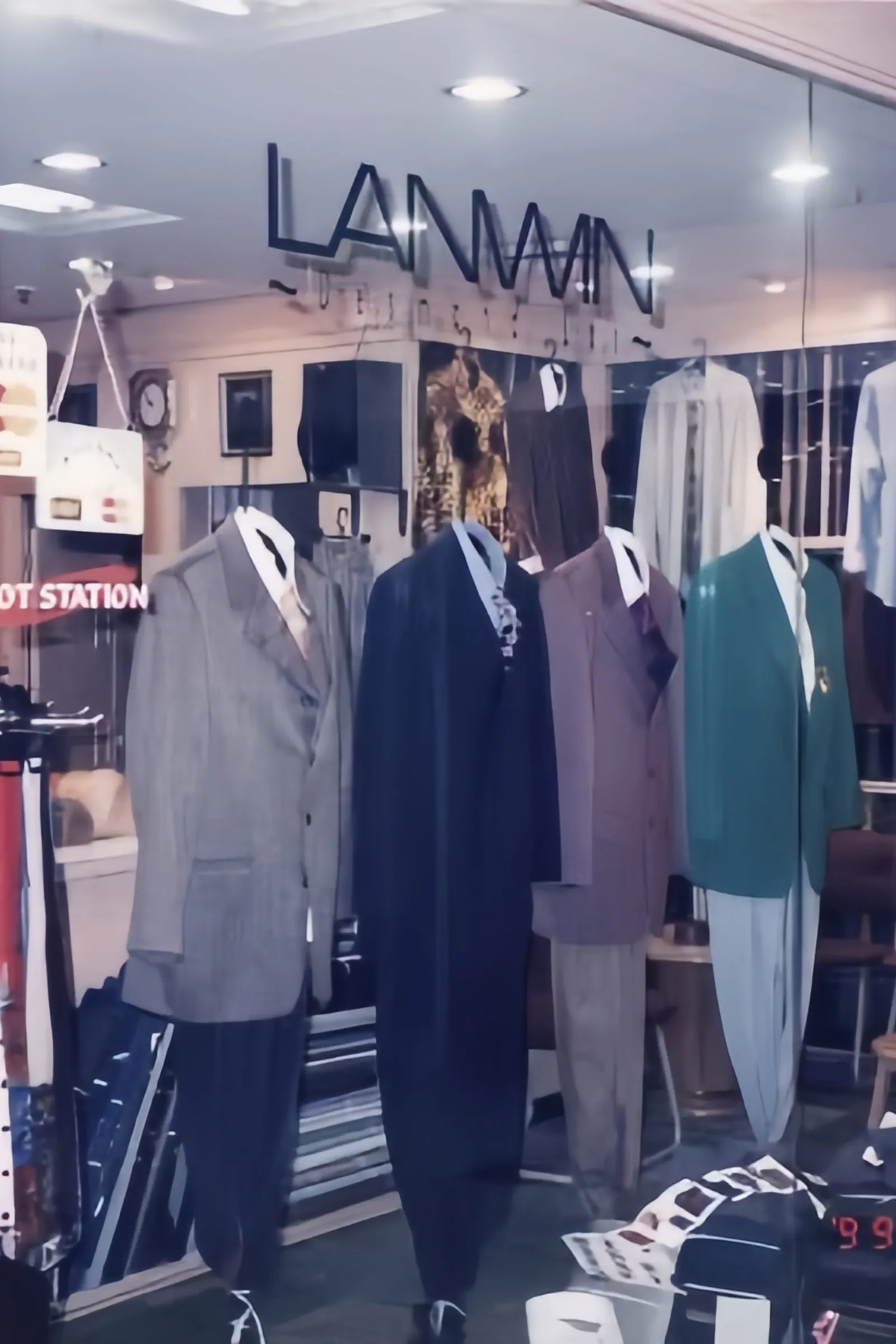
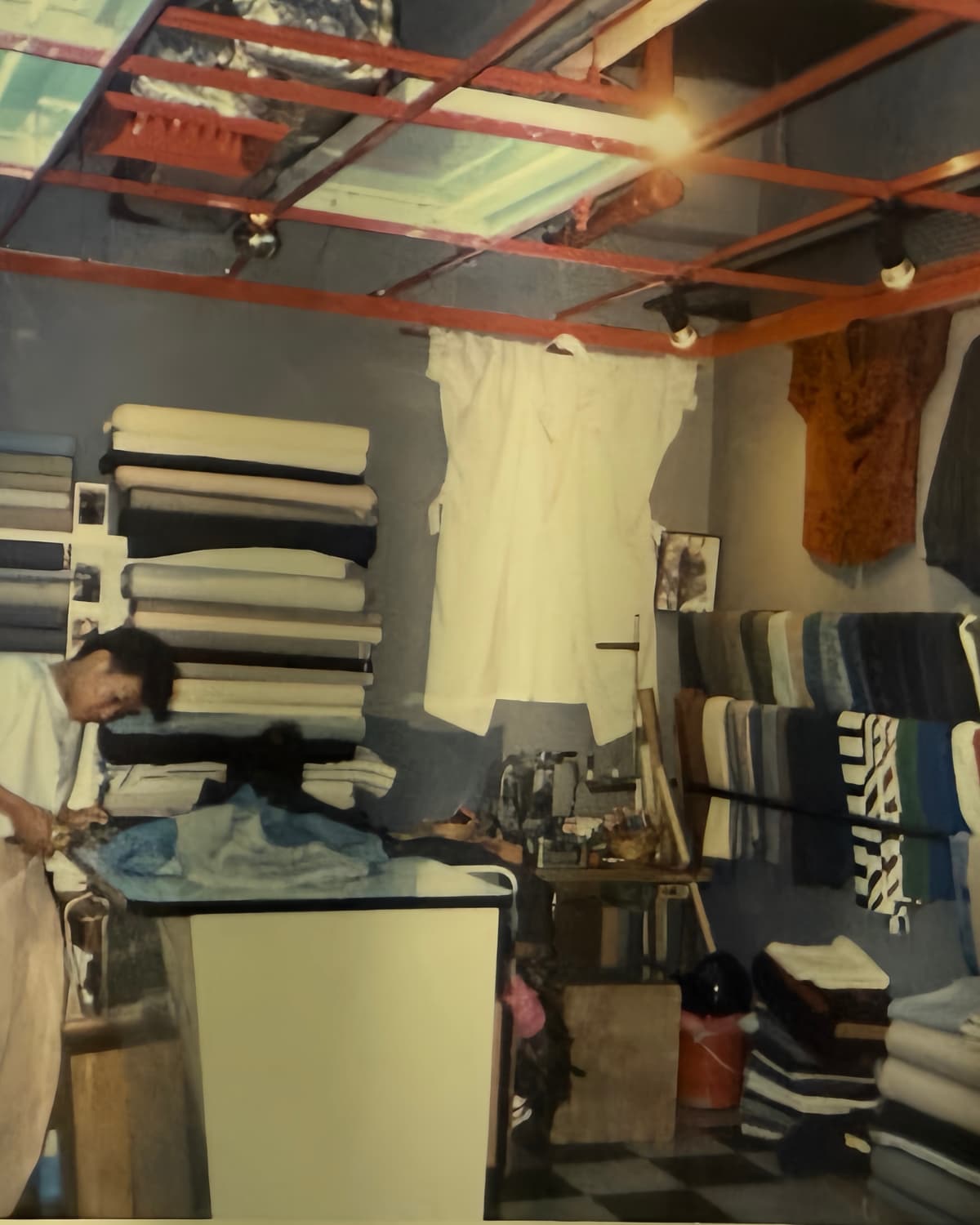
    LANWIN Seremban heritage workshop interior
  2. Chapter 2

    In-House Making: Why It Still Matters

    Most tailors send suits to factories. It’s faster, easier, cheaper. You can take more orders, hire fewer skilled people. There’s nothing mysterious about why the industry moved that way.

    The problem is accountability.

    When consultation happens here, cutting happens somewhere else, construction happens somewhere else, and finishing happens somewhere else, responsibility becomes divided. Nobody owns the suit completely. Nobody has to explain why something went wrong.

    We want control because when something isn’t right, we know why it isn’t right and can change it. That control isn’t a limitation for us. It’s part of what bespoke means.

    Our Craftsmanship
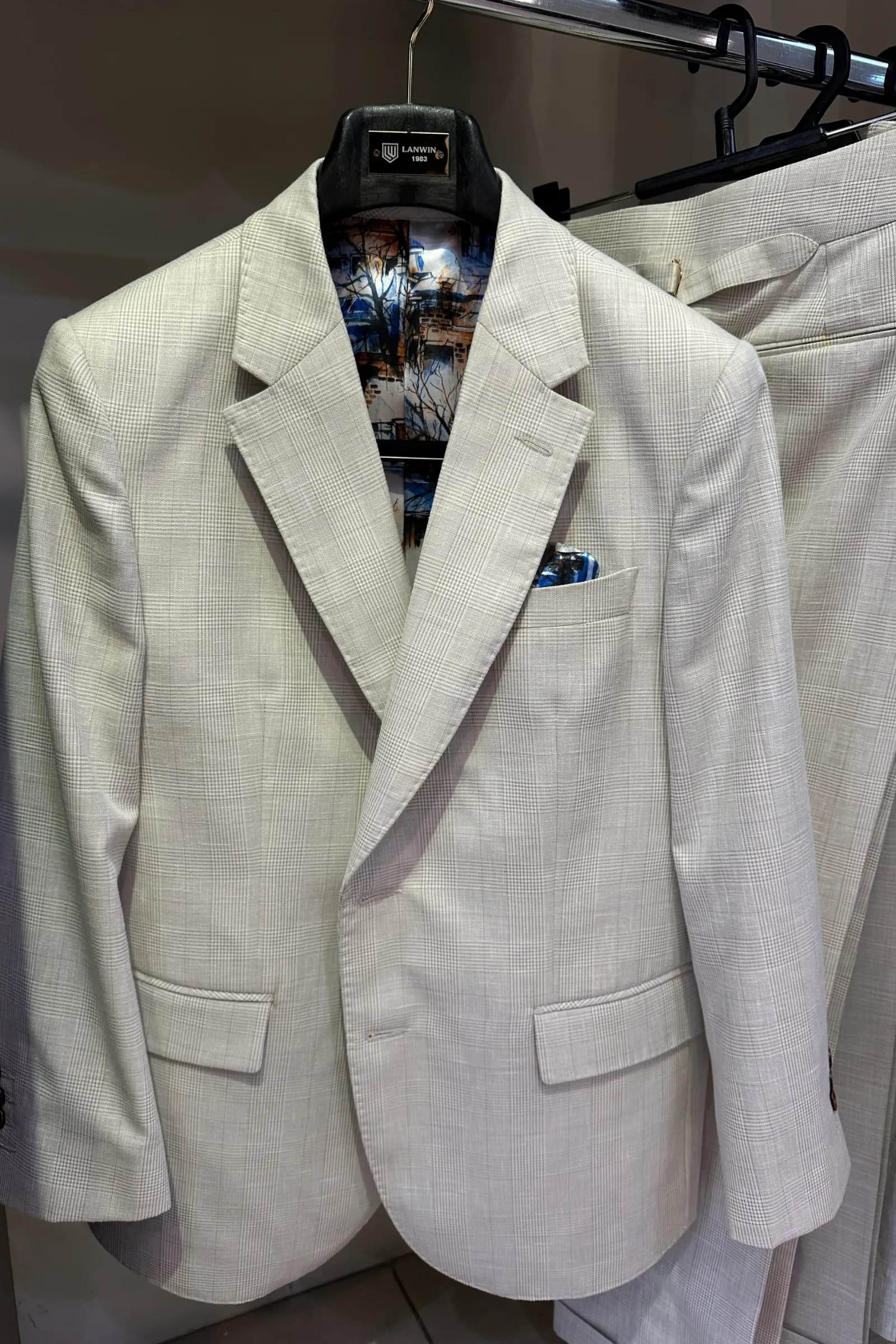
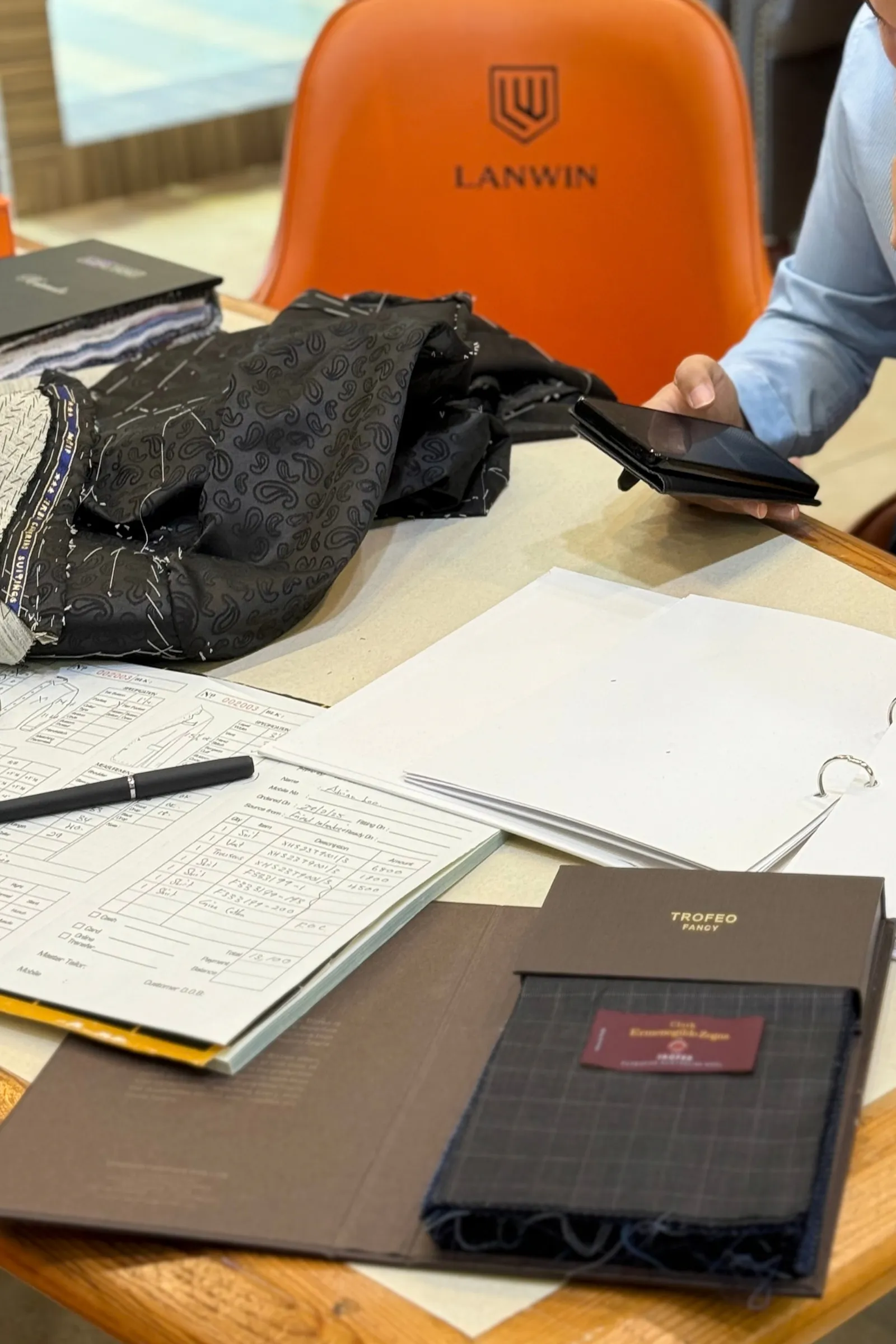
    LANWIN tailoring tools and workshop table
  3. Chapter 3 · 2016–2020

    Questioning the suit for Malaysian life

    Around 2016, Royce began asking whether inherited construction still served how clients moved through a Malaysian day — heat, humid air, long office hours, and the distance between air-conditioning and the street.

    That question took years of trial. It was not a season, not a marketing line.

    By 2020 it had a name: Ultralight Making. Lighter where weight did not earn its place; structure where the line still mattered.

    The technique proof lives on its own page — this chapter only marks why the house questioned tradition.

    Read LANWIN Ultralight Making
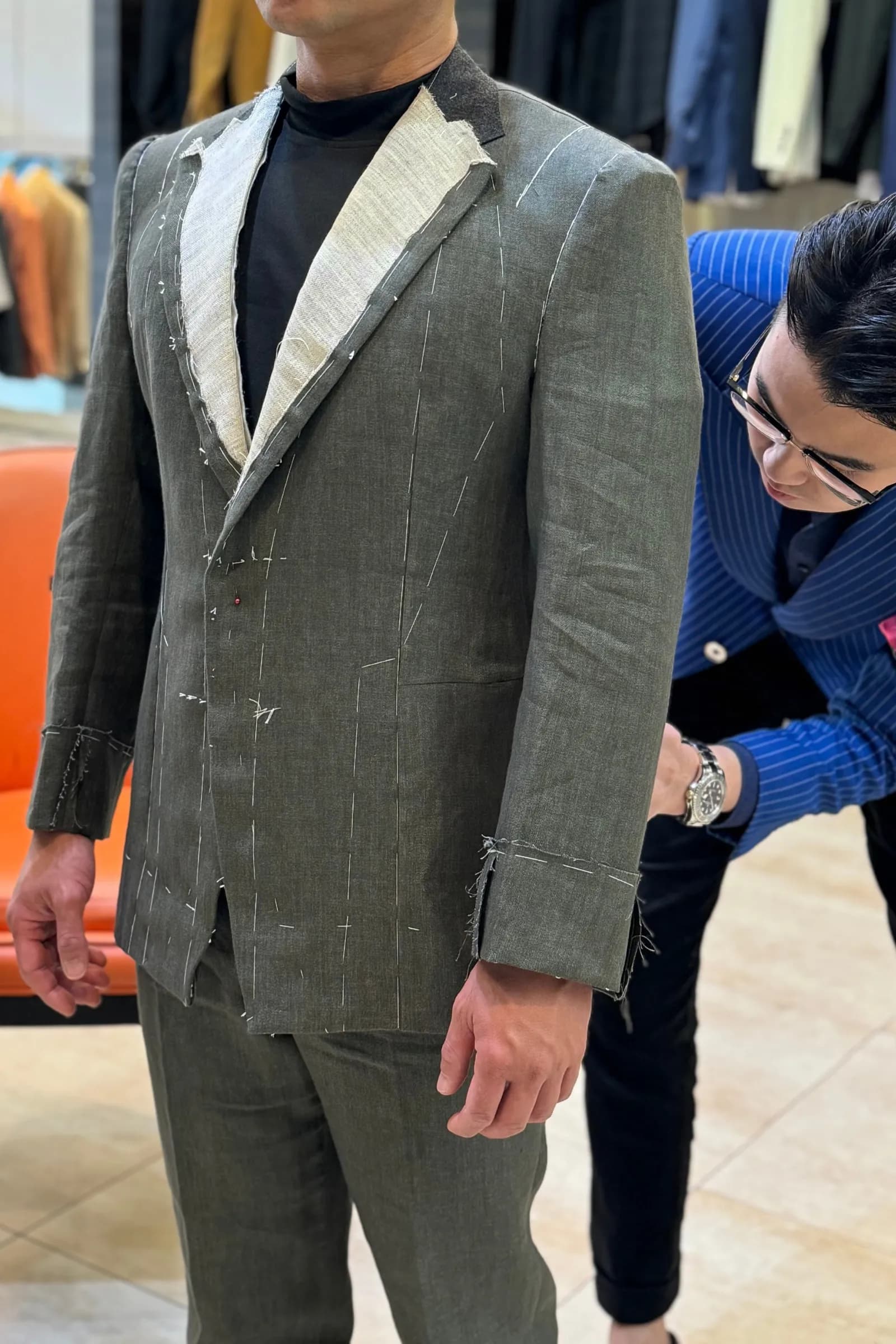
    Jacket construction studied for movement and comfort in Malaysian heat
  4. Chapter 4

    Dress the Person, Not the Suit

    Early in his tailoring journey, Royce learned something that changed everything:

    You’re not dressing a suit. You’re dressing a person.

    He has a body, a profession, habits, insecurities, ambitions, a climate he lives in, and a way he wants people to perceive him. A technically impressive suit that doesn’t work for that man’s life is still the wrong suit.

    Private consultation around how a person lives, not a dress form
  5. Chapter 5

    What His Father Taught Him

    Desmond’s generation learned how to make clothes.

    Royce’s generation had to understand why those clothes should still matter.

    One idea stayed with Royce from his father more than any other:

    「就是那一点点」: It’s always that little bit.

    A few millimetres. A slightly different balance. Knowing when not to make something. Understanding why a client isn’t comfortable even when he cannot explain it himself.

    Those tiny decisions separate something acceptable from something very good.

    Desmond also taught him: Don’t just make the garment. Dress the person.

    It’s possible that everything Royce does is just an extension of that.

    Fine balance and millimetre judgment at the LANWIN cutting table
  6. Chapter 6

    The Market Changed (So Did We)

    When Desmond started, a tailor was necessary. Ready-to-wear wasn’t what it is today. There was no e-commerce, no global luxury retail, no hundreds of brands available instantly.

    Today you don’t need a tailor just because you need clothes.

    So the tailor has to offer something else: Judgement. Fit. Comfort. Individuality. Long-term service. Someone who remembers your body and your wardrobe.

    Around 2010–2015, Royce watched what was happening to bespoke tailoring. Wedding tailoring became a market. Then wedding tailoring became crowded. Everyone had Instagram. Everyone had nice fabrics. Everyone could say “bespoke.” Everyone could advertise.

    That’s dangerous because suddenly something that took decades to learn looks like a commodity.

    What nearly kills a tailoring house isn’t one bad year. It’s becoming indistinguishable from everybody else.

    Royce will remove canvas weight or argue against details that do not serve how you actually live — even when those details would be easy to sell.

    Quiet house attention rather than a shopfront display
  7. Chapter 7

    Royce Today: Design Director, Not Just Tailor

    Royce’s job title is “Master Tailor,” but his actual work is closer to design director and strategist.

    He still questions whether traditional construction serves Malaysian life, and he still builds systems so the next visit does not start from zero.

    Most of his day isn’t spent at the cutting table. It’s spent with clients, understanding their lives, curating what their wardrobe should be, consulting on direction, and building that memory over time.

    He also runs the business and keeps questioning assumptions, which is why LANWIN doesn’t feel like a heritage brand resting on history. It feels like a house still deciding what it can be.

    Clients either resonate with Royce’s perspective and ask for him specifically, or they prefer Louis. There’s no in-between. Like choosing a barber or chef whose palate matches yours, working with Royce means trusting his eye.

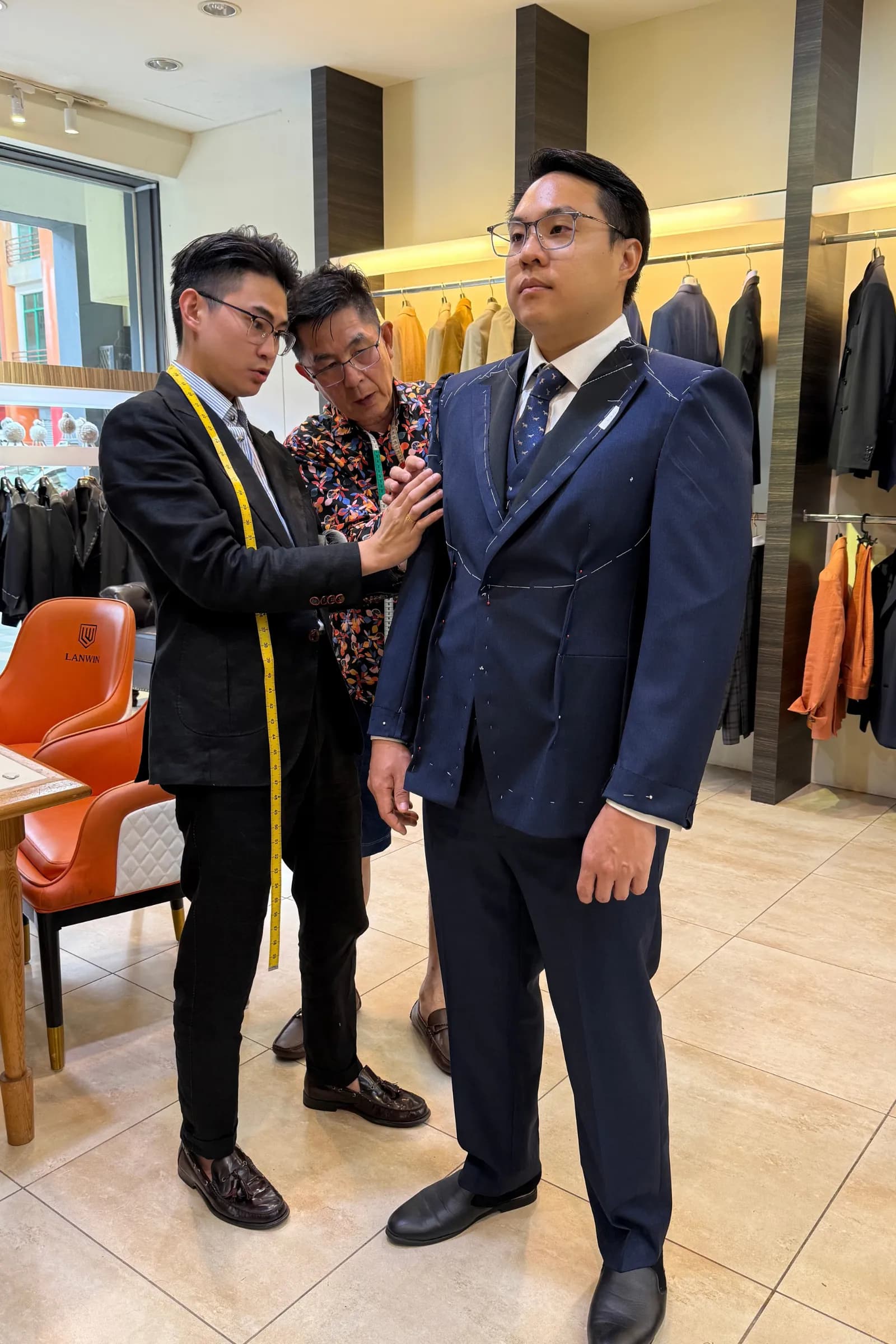
    Wardrobe direction in consultation, not only the cutting table
  8. Chapter 8

    Wardrobe Memory

    Wardrobe Memory began as order notes and grew into the file the house opens before the next commission.

    After Care owns the full continuity story — read there for how pattern, posture, and cloth stay with the house between visits.

    Pattern and notes kept with the house between appointments
  9. Chapter 9

    The client this house serves.

    Royce’s ideal client understands what he’s looking for in a suit.

    He could be a business owner, CEO, lawyer, chairman, professional, or someone who has simply dressed well for many years. He’s busy. He doesn’t need twenty people selling him things.

    But more importantly: he trusts editorial perspective.

    He wants somebody whose taste he respects enough to ask, “What should I be wearing?” and actually follow the answer. He wants a design director more than he wants a tailor.

    He knows that bespoke doesn’t mean “whatever I want.” It means, “This person understands my life better than I do, and I trust their eye.”

    That’s not every client. But it’s the client LANWIN serves best.

    Private consultation with a client who trusts house judgment
  10. Chapter 10

    The Two Homes of LANWIN

    Seremban is where LANWIN comes from. It’s the heritage, the workshop culture, the original decision to keep everything in-house.

    Around December 2024, LANWIN opened a second space in Petaling Jaya.

    PJ was a strategic experiment. LANWIN had spent more than forty years growing in Seremban, a smaller town and a very different market. The question was whether the same house, the same way of working and the same level of personal service could find its place in the city.

    Visit LANWIN
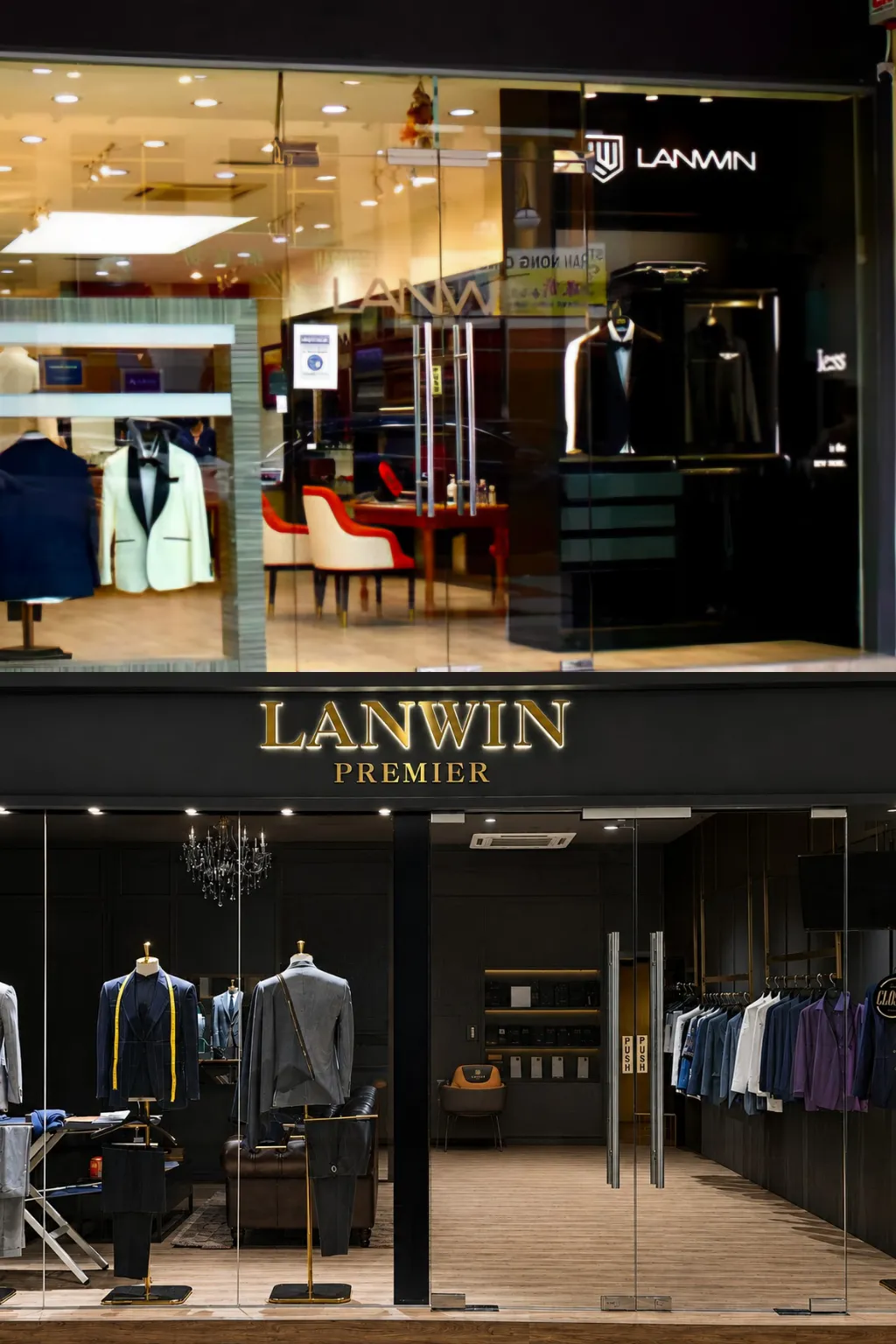
    Appointment-led LANWIN house interior for Seremban and Petaling Jaya
  11. Chapter 11 · 2026

    Recognition the house did not chase

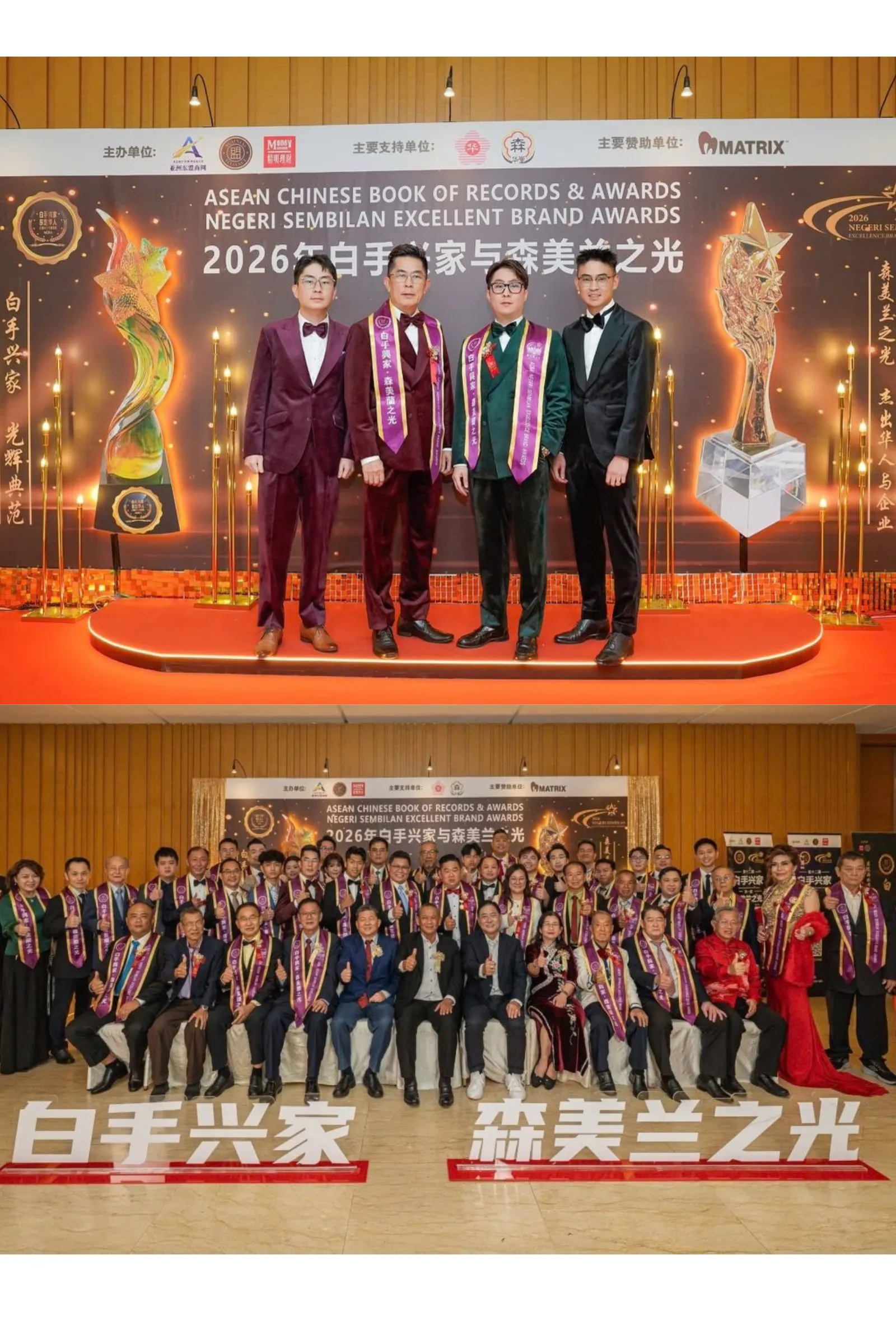
    In June 2026, Desmond received the ASEAN Outstanding Entrepreneur — 东盟杰出白手兴家 — Award at the ASEAN Chinese Book of Records & Awards, held jointly with the Negeri Sembilan Excellent Brand Awards (森美兰之光).

    More than 500 guests gathered at d'Tempat Country Club, with caretaker Menteri Besar Aminuddin Harun as guest of honour presenting the awards. The award recognises founders who built their success from the ground up.

    At the same ceremony, Lanwin Inc Sdn Bhd was named among the Negeri Sembilan Excellent Brand enterprise honourees — recognition for the house Royce and Louis now carry forward. Desmond also took home the night's charity-auction horse painting, 《骏马奔驰》.

    The house did not chase either honour. They reflect what LANWIN has always worked from: perseverance, craftsmanship, and community spirit — the same decision Desmond made in 1983 to keep every suit in-house, by hands you can name.

    The LANWIN honourees on stage at the June 2026 ASEAN Chinese Book of Records & Awards and Negeri Sembilan Excellent Brand Awards, above the full group photograph of the night's recipients

Chapter 12 · The House Today

Meet the faces behind your suit.

Two generations lead the house — founder Desmond, then Royce and Louis — carrying the same in-house standard forward, each serving the house in his own way. The craft lineage reaches back further, to the Apollo Tailor tradition Desmond learned from his uncle.

  • Grand Master Desmond Loi, founder of LANWIN Premier

    Grand Master Desmond Loi

    Founder (since 1983)

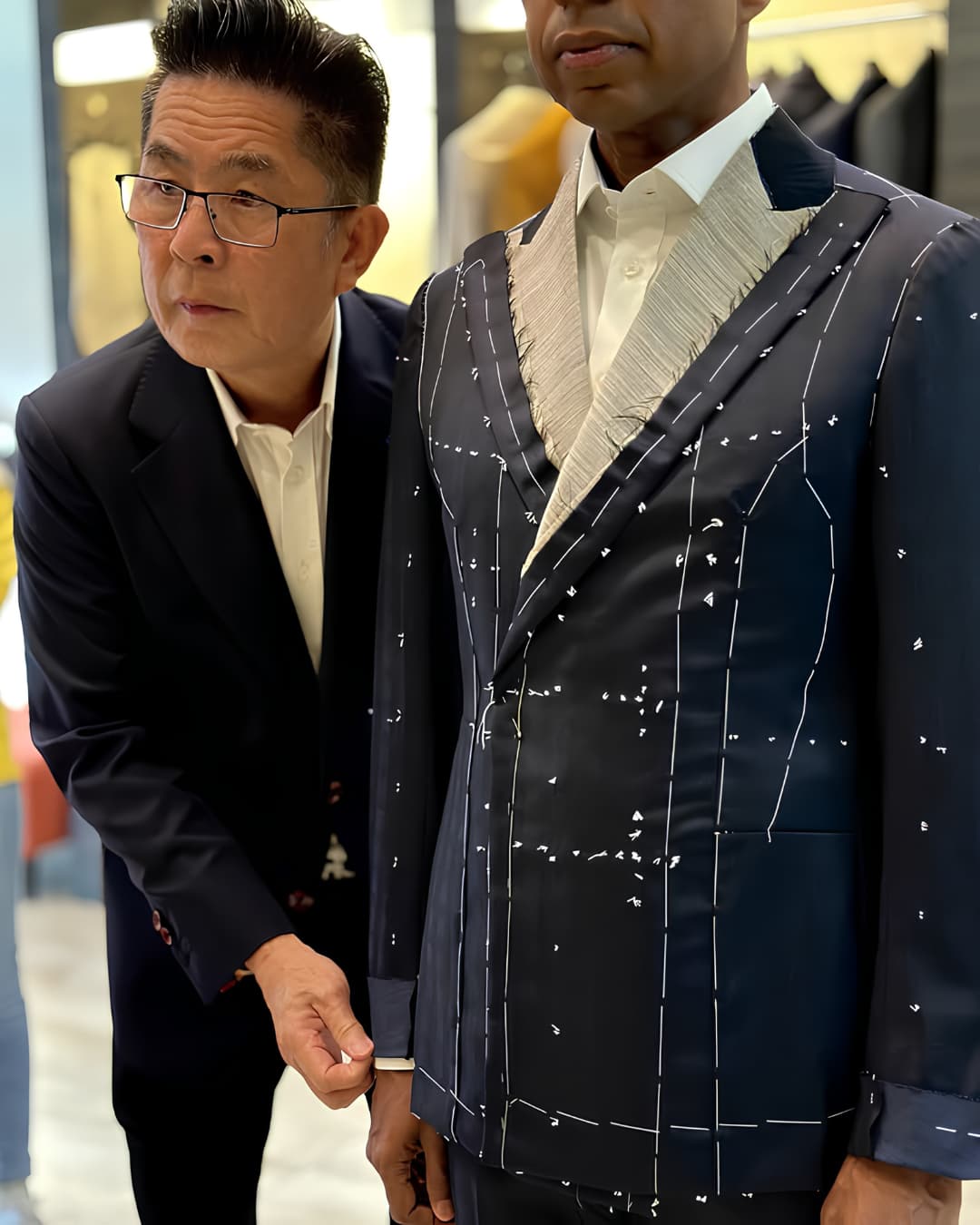
    Learned tailoring from his uncle, Mr. Yap of Apollo Tailor, in Seremban. Opened LANWIN at Wisma Punca Emas with the shop and workshop under one roof. Made one decision that still defines LANWIN: every suit stays in-house. Now works in an advisory role, guiding craft standards and reminding the house what it is built on.

  • Royce Loi, Innovator and Design Director at LANWIN Premier

    Royce Loi

    Innovator & Design Director

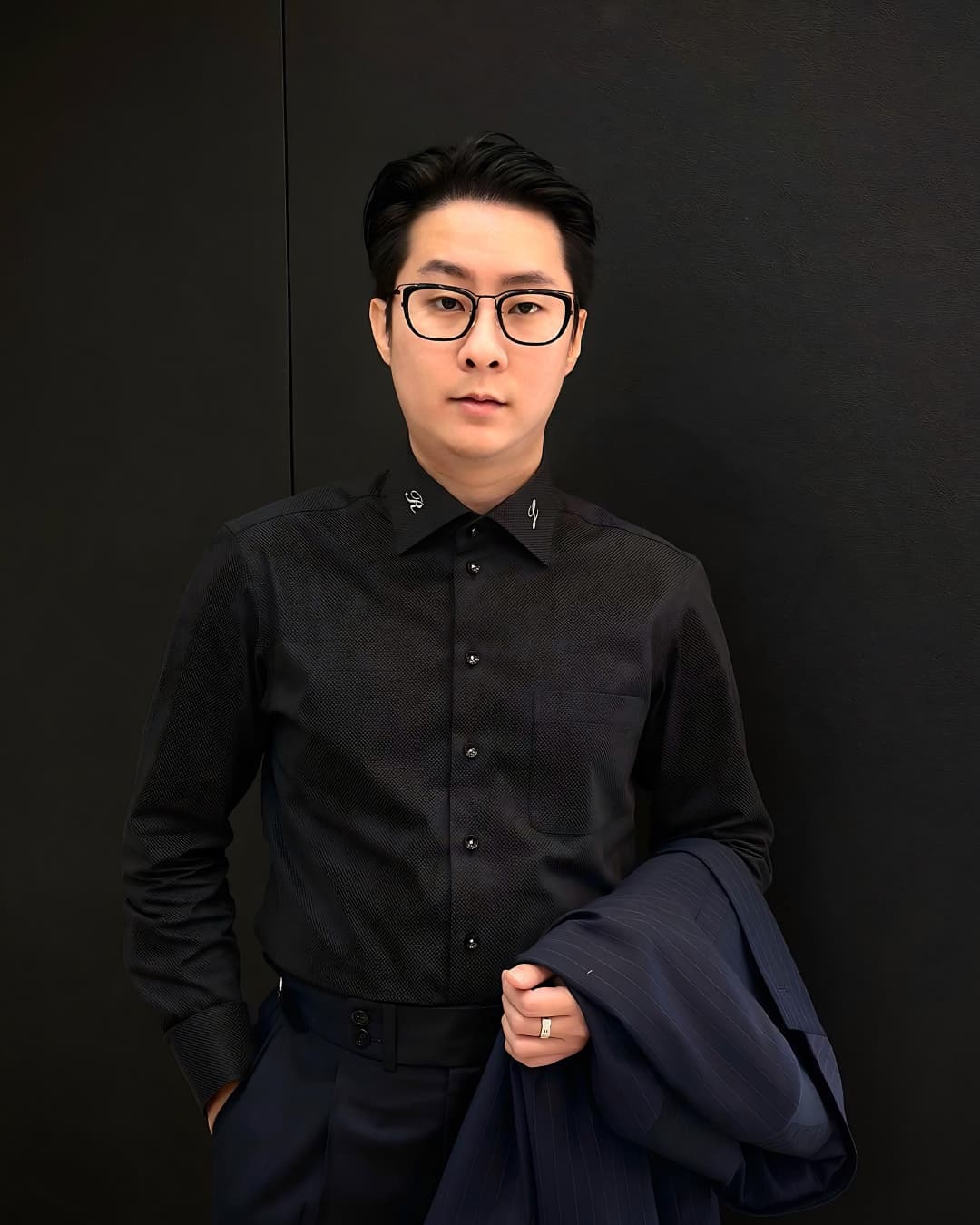
    Began his formal apprenticeship under Desmond at 15 and started serving his own clients at 18. From 2016, questioned whether traditional construction serves modern life in Malaysia, leading to Ultralight Making in 2020 and the Wardrobe Memory File. Most of his day is spent with clients, curating direction, and running the business.

  • Louis Loi, Client Relationship Manager at LANWIN Premier

    Louis Loi

    Client Relationship Manager

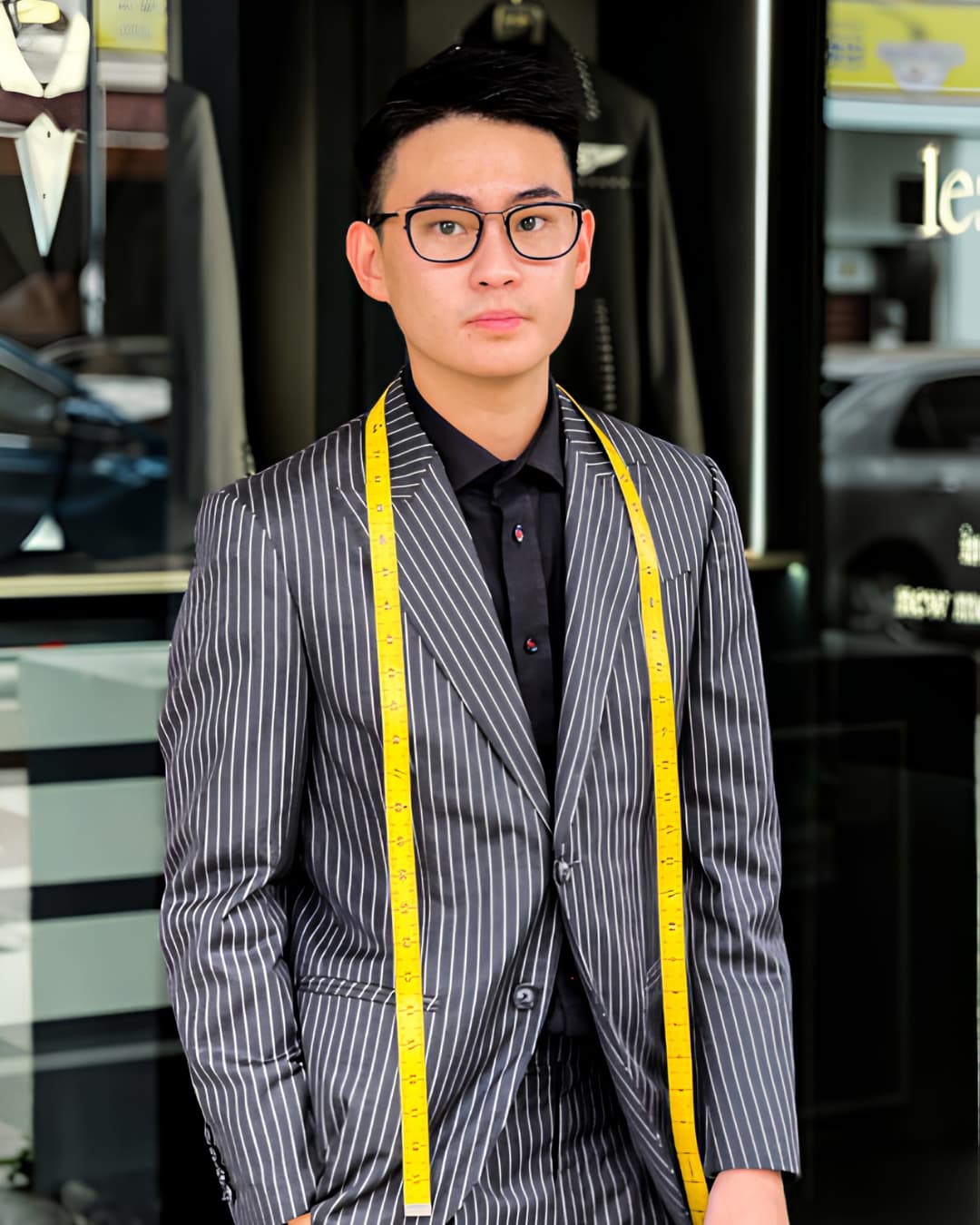
    Works directly with clients on wardrobe planning and fit consultations. Manages the wardrobe memory files Royce designed. Handles ongoing fit adjustments, alterations, and the relationship that turns one suit into a decade-long wardrobe partnership.

Closing

The Real Story Underneath Everything

The progression of LANWIN isn’t really about stitching techniques or canvas weight or lineage. It’s about what you do when you inherit something real and realize it needs to change in order to survive.

  1. 1983–2008

    Desmond builds the house. Sets one rule: everything stays in-house. Proves it can work. Twenty-five years of foundation.

  2. 2008–2015

    Royce begins serving his own clients. Learns directly from Desmond and comes to understand the house from the inside.

  3. 2015–2016

    Royce takes full management in 2015 and begins questioning whether the traditional approach still serves modern life in Malaysia.

  4. 2016–2020

    Royce questions everything. Creates Ultralight Making. Designs the wardrobe memory system. Rebuilds the entire experience from inside out.

  5. 2020–2024

    The innovations prove themselves. Clients stay longer. Wardrobe memory is how attention lasts between visits.

  6. 2024–2026

    Open PJ. Experiment. Keep evolving.

  7. 2026

    Desmond receives the ASEAN Outstanding Entrepreneur (东盟杰出白手兴家) Award; Royce and Louis accept the Negeri Sembilan Excellent Brand honour for Lanwin Inc Sdn Bhd — recognition for a house built from the ground up.

Desmond’s generation learned how to make clothes at a time when that mattered most: when it was the only option, when quality was rare and necessary.

Royce’s generation inherited that skill and immediately asked: but does this still matter? And if it does, how do we make it matter for people living now, in this climate, with this life?

He didn’t preserve the house by doing what Desmond did. He preserved it by questioning everything and rebuilding it.

And underneath all of it — the innovation and the questioning and the rebuilding — is the same LANWIN idea Desmond started with.

The craft is tailoring.

The real service is attention.

How LANWIN Works Today

From consultation to wardrobe memory.

The seven-step bespoke process — consultation through wardrobe memory — lives on its own page so this story stays focused on who the house is, not how each fitting is run.

Visit LANWIN

Two showrooms, one house.

Seremban workshop and Tropicana PJ appointment space — plus private fittings in the Klang Valley when the brief calls for it.

Visit LANWIN

Private Consultation

Start a private consultation.

Share your purpose, schedule, and the occasions you dress for. A master tailor reviews what you share and responds personally, no obligation to commission.